
Mid Day Meal Scheme 2025: Fighting Hunger to Promote Education lnjpisdc
Mid Day Meal Scheme: Fighting Hunger to Promote Education
Table of Contents
- Introduction
- What is the Mid-Day Meal Scheme?
- Objectives of the Scheme
- Historical Background
- Key Features
- Beneficiaries
- State-Level Implementation
- Funding Structure
- Impact on Education
- Nutritional and Health Impact
- Role of NGOs and CSR
- Real-Life Success Stories
- Challenges in Implementation
- Reforms and Innovations
- The Way Forward
- Conclusion
- FAQs
1. Introduction
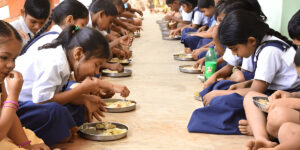
In a developing country like India, where millions of children face poverty and malnutrition, school attendance often takes a backseat to hunger. To tackle this dual crisis, the Indian government launched a strategic initiative that offers a cooked meal to school children every day. This initiative not only nourishes young minds but also boosts education across the country.
2. What is the Mid-Day Meal Scheme?
The Mid-Day Meal Scheme is one of the world’s largest school feeding programs. It provides free cooked lunches to children studying in government and government-aided primary and upper primary schools. Launched in 1995 under the National Programme of Nutritional Support to Primary Education, the scheme aims to improve children’s nutritional status while enhancing enrollment, attendance, and retention.
3. Objectives of the Scheme
The main goals of this initiative include:
- Eliminating classroom hunger
- Promoting universalization of elementary education
- Increasing school enrollment and attendance
- Addressing malnutrition among children
- Encouraging social integration by bringing children from different backgrounds together
4. Historical Background
- Pre-Independence: Early meal programs started in Tamil Nadu in the 1920s.
- 1960s–1980s: Several states experimented with providing mid-day meals.
- 1995: Official central launch of the Mid-Day Meal Scheme.
- 2001: Supreme Court mandated cooked meals in all government schools.
- 2004 onwards: Expanded to include upper primary students and enhanced nutrition standards.
5. Key Features
- Coverage: Classes I to VIII in government and aided schools
- Meal Content: Includes rice, pulses, vegetables, and sometimes eggs or milk
- Nutritional Value:
- Primary: 450 calories + 12g protein
- Upper Primary: 700 calories + 20g protein
- Delivery Mode: Cooked fresh meals served daily at school premises
- Hygiene: Strict safety, cleanliness, and quality standards enforced
6. Beneficiaries
The scheme primarily targets:
- Economically disadvantaged children
- Girls (to reduce gender disparity in education)
- Children from Scheduled Castes, Scheduled Tribes, and minority groups
- Out-of-school children and those in alternative education centers
- Children with disabilities
7. State-Level Implementation
Though centrally funded, implementation varies from state to state:
- Tamil Nadu: Among the earliest to provide cooked meals; continues to innovate
- Karnataka: Partnered with NGOs like Akshaya Patra for large-scale operations
- Odisha: Uses Self-Help Groups (SHGs) for meal preparation
- West Bengal: Promotes use of local ingredients and farm produce
States are encouraged to adapt menus to regional food preferences while meeting the nutritional requirements.
8. Funding Structure
The program is a centrally sponsored scheme:
- Central Government: Covers 60% of costs, including foodgrains and transportation
- State Governments: Fund the rest, including cook honorariums and infrastructure
In 2021, the scheme was revamped and renamed PM-POSHAN, with continued financial commitment from both center and states.
9. Impact on Education
Numerous studies have shown the Mid-Day Meal Scheme has had a powerful impact on education:
- Enrollment Rise: Poor families now have an incentive to send children to school
- Attendance: Regular meals keep students coming daily
- Classroom Engagement: A well-fed child is more alert and focused
- Reduced Dropout: Particularly among girls and tribal populations
- Socialization: Children from all backgrounds eat together, reducing caste barriers
10. Nutritional and Health Impact
Aside from boosting school numbers, the scheme addresses major health concerns:
- Reduced Malnutrition: Increased access to proteins, vitamins, and minerals
- Health Awareness: Promotion of hygiene, handwashing, and nutritional education
- BMI Improvements: Recorded in multiple districts
- Iron & Vitamin Deficiency Control: Inclusion of green leafy vegetables and IFA tablets
- Prevention of Stunting: Long-term effects on child development are being studied positively
11. Role of NGOs and CSR
Public-private partnerships have strengthened the reach and quality of the scheme:
- Akshaya Patra Foundation: Delivers meals to over 2 million children daily
- ISKCON Food Relief Foundation: Operates kitchens in several urban centers
- Corporate CSR: Many businesses fund kitchen equipment, hygiene kits, and fuel
Such collaborations enhance efficiency, scale, and accountability.
12. Real-Life Success Stories
Bihar:
A tribal village saw school attendance triple within a year of introducing daily meals. Parents now view schools not just as learning centers, but also as a source of their child’s health and safety.
Karnataka:
With NGO partnerships, schools in Bengaluru now serve hot, balanced meals every day. One girl who once scavenged for food now dreams of becoming a doctor.
These stories reflect how food can drive transformation.
13. Challenges in Implementation
Even with its success, the scheme faces persistent challenges:
- Food Safety: Cases of food poisoning have been reported
- Infrastructure Gaps: Many schools lack kitchens and storage
- Low Pay for Cooks: Women workers often earn less than minimum wage
- Corruption: Leakage of foodgrains or misreporting of attendance
- Delayed Funds: Slow disbursal affects consistency in some states
14. Reforms and Innovations
To overcome these hurdles, several new initiatives have been launched:
- Use of Technology: Mobile apps to track attendance and meal quality
- Model Kitchens: Centralized hygienic kitchens for mass meal production
- Nutrition Gardens: Schools growing their own vegetables
- Bio-Fuel Cooking: Eco-friendly and cost-saving measures
- Digital Payments: Ensuring timely honorariums to cooks and workers
All these are now being integrated under the PM-POSHAN umbrella.
15. The Way Forward
To strengthen the Mid-Day Meal Scheme, the following steps are recommended:
- Diversify Menus: Include local superfoods like millets and seasonal fruits
- Strengthen Monitoring: Independent audits and real-time reports
- Community Ownership: Local committees to inspect quality
- Boost Cook Wages: Fair pay and skill training for kitchen staff
- Convergence with Health Services: Nutrition + immunization + education together
A truly inclusive approach will ensure no child is left hungry in school.
16. Conclusion
The Mid-Day Meal Scheme has proved to be one of India’s most successful welfare programs, tackling hunger and education with a single intervention. As we move forward, continuous innovation, transparency, and commitment will ensure that this scheme doesn’t just feed bodies, but also fuels dreams.
Let us remember: A child who is hungry cannot learn. A child who is fed can change the world.
17. FAQs
Q1: What is the Mid-Day Meal Scheme?
A: It’s a government program that provides free cooked lunches to school children in classes I–VIII.
Q2: Who funds the scheme?
A: It is jointly funded by the central and state governments.
Q3: What is PM-POSHAN?
A: The revamped version of the Mid-Day Meal Scheme launched in 2021 for better nutritional outcomes.
Q4: What is the nutritional value of meals?
A: For primary: 450 calories + 12g protein; for upper primary: 700 calories + 20g protein.
Q5: Are NGOs involved?
A: Yes, organizations like Akshaya Patra and ISKCON assist with cooking and distribution in many states.
Please Donate Now : https://loknayak.org/